 Save to Pinterest
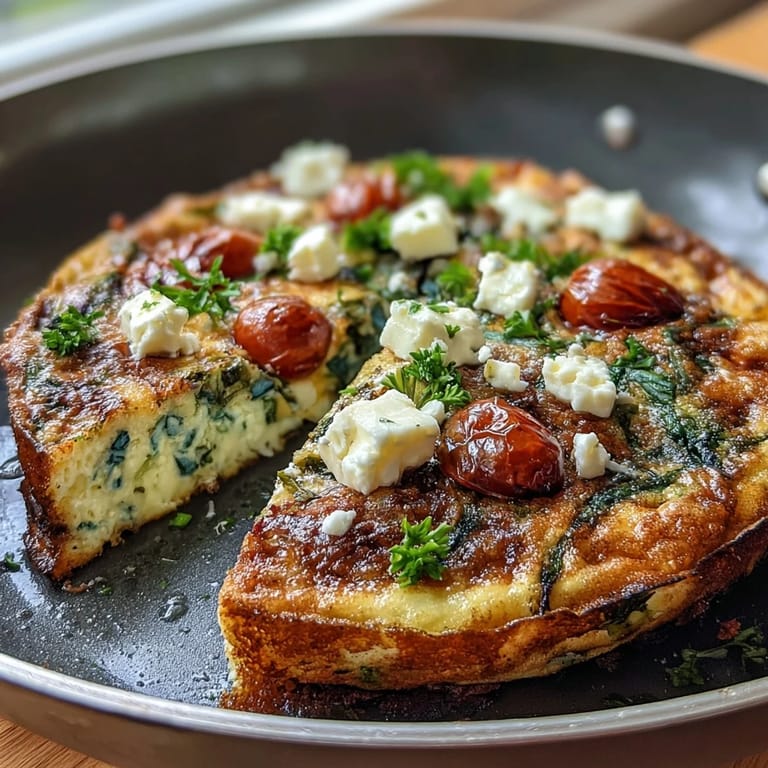
 There's something about a spring morning that makes me want to cook with my hands instead of thinking too much. Last April, I found myself staring at a farmers market haul of asparagus and spinach, still dewy from the morning, and realized I had exactly six eggs waiting at home. The frittata came together almost by accident, a casual Sunday scramble that turned into something people kept asking me to make again. What started as a way to use up vegetables became my favorite kind of cooking: simple, forgiving, and somehow more nourishing than it has any right to be.
I made this for my partner one Saturday when we'd both been up too late, and neither of us wanted the kind of breakfast that feels like a commitment. We ate it straight from the skillet with crusty bread and terrible coffee, sitting by the window while it rained. That quiet moment taught me that frittatas are less about impressing people and more about feeding yourself with intention. Now whenever spring vegetables show up, I know I have this.
Ingredients
- Asparagus: Cut into 1-inch pieces so they cook evenly and don't turn mushy, about 1 cup trimmed weight. I learned to use the tender middle section and save tough ends for stock.
- Baby spinach: Roughly chopped, about 1 cup, and it's worth buying fresh rather than frozen for the texture difference. It wilts in seconds, so don't add it until the last moment before the eggs.
- Cherry tomatoes: Halved, about 1/2 cup, they burst slightly in the heat and release their sweetness into the eggs. Smaller varieties work better than large slicing tomatoes here.
- Zucchini: Diced small, about 1/2 cup, keeps the texture light and adds moisture without being watery. Choose smaller zucchini with fewer seeds for the best texture.
- Red onion: Finely chopped, about 1/4 cup, gets the skillet started with a gentle sweetness that builds the flavor foundation. The red color stays vibrant too, which makes the finished frittata prettier.
- Large eggs: Six of them, and they truly are the foundation here, so use the best ones you can afford. Room temperature eggs incorporate more smoothly with the milk.
- Milk: 1/4 cup, any kind you have, makes the eggs creamy without making them dense. Dairy-free alternatives work beautifully if that's your preference.
- Crumbled feta cheese: About 1/3 cup, sprinkled on top rather than mixed in so you get those salty pockets throughout. The tanginess balances the fresh vegetables perfectly.
- Fresh parsley and chives: Chopped, about 2 tablespoons and 1 tablespoon respectively, added at the end so they stay bright green and herbaceous. These make the difference between a good frittata and one that tastes like spring itself.
- Salt, black pepper, and red pepper flakes: 1/2 teaspoon salt, 1/4 teaspoon black pepper, and 1/4 teaspoon red pepper flakes optional, seasoning as you build flavors rather than all at once. The red pepper flakes add a whisper of heat that surprises people.
- Olive oil: 1 tablespoon to coat the skillet and cook the vegetables, a good quality one if you can, since you taste it directly. It's the fat that carries all the vegetable flavors.
Tired of Takeout? 🥡
Get 10 meals you can make faster than delivery arrives. Seriously.
One email. No spam. Unsubscribe anytime.
Instructions
- Get your oven ready:
- Heat it to 375°F (190°C) before you do anything else so it's waiting for you. This takes about 10 minutes while you prep vegetables, so no standing around.
- Start the flavor foundation:
- Heat the olive oil in your 10-inch oven-safe skillet over medium heat, then add the red onion and let it soften for about 2 minutes, stirring now and then. You'll smell it starting to sweeten almost immediately.
- Build with the harder vegetables:
- Add the asparagus and zucchini with a tiny pinch of salt, and cook for 3 to 4 minutes, stirring occasionally, until they're just starting to become tender. The salt helps them release water and cook evenly.
- Finish the vegetable layer:
- Stir in the spinach and cherry tomatoes and cook for just 1 to 2 minutes until the spinach wilts completely. The tomatoes will start to soften and release their juice, which is exactly what you want.
- Prepare the egg mixture:
- While that's happening, whisk together the eggs, milk, salt, black pepper, and red pepper flakes in a medium bowl until everything is well combined and the mixture is pale. Don't overthink this; just make sure there are no streaks of white egg.
- Bring it together:
- Pour the egg mixture evenly over the vegetables in the skillet, then sprinkle the feta, parsley, and chives across the top. Tilt the skillet gently a few times to make sure the egg settles into the vegetables rather than sitting on top.
- Start on the stovetop:
- Cook on medium heat for 2 to 3 minutes until you can see the edges starting to set and look slightly opaque, but the center is still quite wet. This step matters because it means the bottom won't stick and the edges will have texture.
- Finish in the oven:
- Transfer the whole skillet to the preheated oven and bake for 10 to 12 minutes until the center is set and the top looks lightly golden. You can press the center gently with your finger; it should feel just slightly firm but not rubbery.
- Rest and serve:
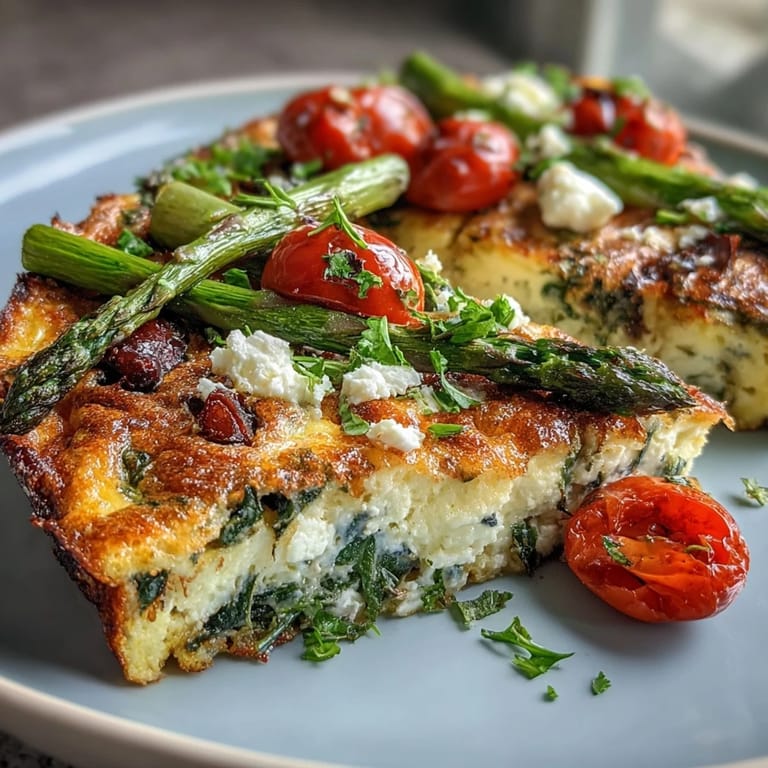
- Let it cool for a few minutes so you can handle it, then slice into wedges like a pie and serve warm or at room temperature. It's honestly good either way.
 Save to Pinterest
 My neighbor knocked on the door one spring morning because the smell had drifted into her apartment, and within five minutes we were sharing a wedge and making plans to grow herbs together. That's when I understood that frittatas aren't just food; they're an invitation to slow down and sit with someone. This recipe has become the thing I make when I want the day to feel intentional.
How to Choose Your Spring Vegetables
The beauty of a frittata is that it's flexible, but that flexibility works best when you're thoughtful about what you choose. Tender vegetables like asparagus, peas, and young zucchini work beautifully because they cook quickly and stay slightly crisp. Denser vegetables like broccoli or thick carrots need either a longer pre-cook time or a quick blanch before you add them to the skillet. I've learned to taste vegetables at the farmers market or grocery store if I can, choosing the ones that feel vibrant rather than tired. The fresher they are, the more personality they bring to the eggs.
Why This Works as Breakfast, Lunch, or Dinner
There's a freedom in making something that doesn't have to fit a particular meal slot, and that's what the frittata offers. For breakfast, it's protein-packed enough that you won't be hungry two hours later, and the vegetables start your day with actual nutrients instead of just carbs. I've served it for lunch with a simple salad and felt fancy without doing much of anything, and I've reheated wedges for a solo dinner when I didn't want to cook twice. It's the kind of dish that meets you where you are instead of demanding you fit into what it wants to be.
Make It Your Own Without Losing the Magic
Once you've made this version a few times and your hands know the rhythm, you can start playing. Leeks work beautifully in place of red onion, their gentleness is different but equally good. Sun-dried tomatoes, roasted red peppers, or fresh herbs like tarragon or dill can swap in, and honestly the frittata welcomes these changes. Just remember that wet vegetables (like fresh tomatoes) should be salted and drained for a moment so they don't release too much water into the eggs.
- Keep the total vegetable volume around 3 to 4 cups so the eggs cook at the same rate throughout.
- If you're adding something soft like goat cheese or ricotta, crumble it on top like the feta rather than stirring it in.
- Taste as you go, adjusting the herbs and seasoning to match whatever vegetables you've chosen.
 Save to Pinterest
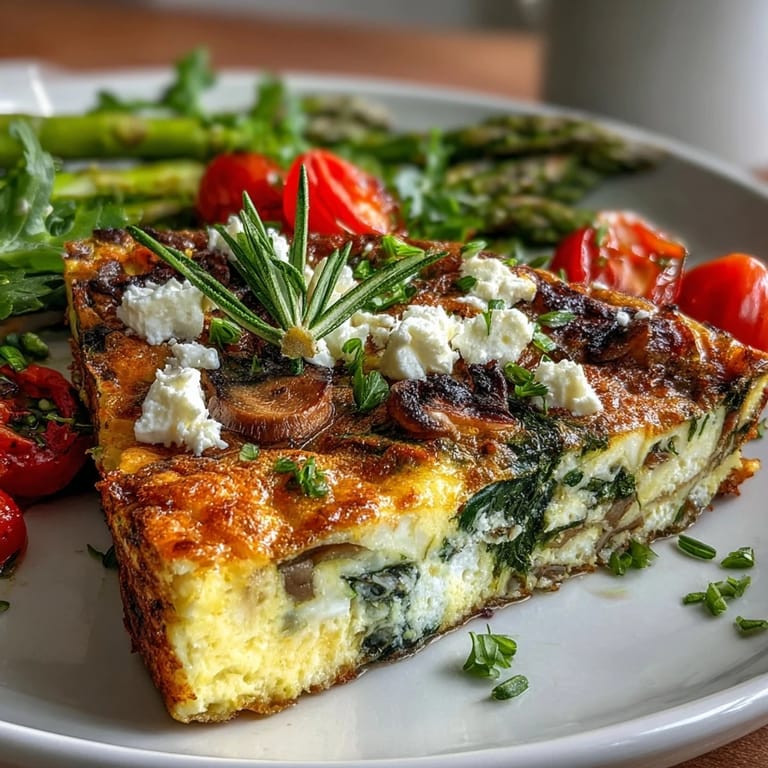
 A frittata is really just eggs and vegetables having a conversation, and what makes it special is how you listen to both of them. Make this when you want your kitchen to smell like spring and your table to feel like home.
Recipe Q&A
- → What vegetables work best in this frittata?
Asparagus, spinach, zucchini, cherry tomatoes, and red onion provide a fresh spring flavor and tender texture.
- → Can I make this without dairy?
Yes, use plant-based milk and replace feta cheese with a dairy-free alternative for similar creaminess.
- → How should I cook the vegetables before baking?
Sauté onions, asparagus, and zucchini until tender, then add spinach and tomatoes briefly before adding egg mixture.
- → Is this dish suitable for a gluten-free diet?
Yes, all ingredients are naturally gluten-free, making this suitable for gluten-sensitive individuals.
- → What are good serving suggestions?
Serve warm or at room temperature with a mixed green salad and crusty bread, or pair with a Sauvignon Blanc.