 Save to Pinterest
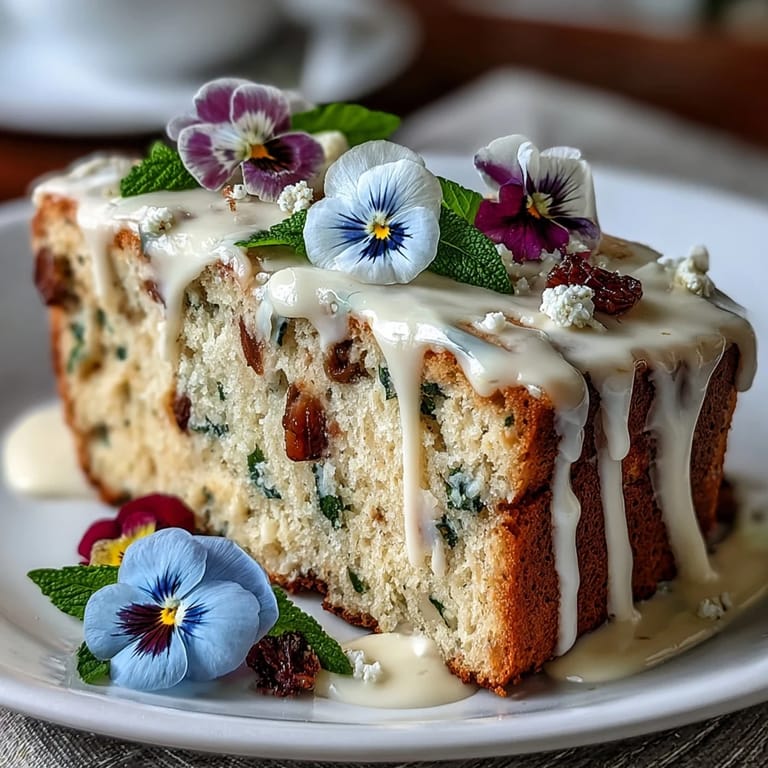
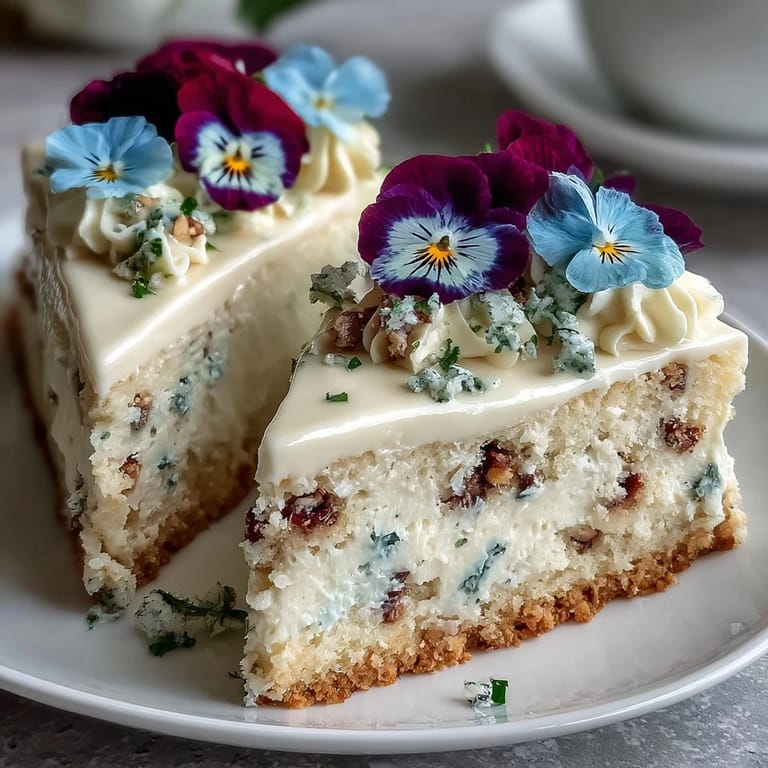
 Last spring, my neighbor brought over a jar of pressed violets she'd been collecting all winter, and something about their papery delicacy made me want to build an entire cake around them. I'd never worked with edible flowers before, but watching how she'd carefully sandwiched them between book pages suddenly made sense—they deserved something equally gentle and refined. That afternoon, I created this vanilla cake with its cloud-soft whipped cream frosting, and the moment those flowers caught the light on the finished cake, I understood why she'd been so patient with her pressing project.
I made this for my daughter's small garden party, and watching her friends gasp when they first saw it—before even tasting it—reminded me that food can be art. One guest asked if it was too pretty to eat, which is the highest compliment a baker can receive. By the end of the afternoon, there were only crumbs left, and everyone wanted the recipe.
Ingredients
- All-purpose flour (2 1/2 cups): The foundation of a tender cake; sifting it prevents dense pockets and ensures even mixing with the other dry ingredients.
- Baking powder (2 1/2 tsp): Your lift and lightness—this is what makes the cake cloud-like rather than dense, so don't skip the sifting step with the flour.
- Salt (1/2 tsp): A small amount that amplifies vanilla flavor and balances sweetness without being detectable.
- Unsalted butter (1 cup), softened: Room temperature is crucial; cold butter won't cream properly and you'll end up with a denser crumb.
- Granulated sugar (1 3/4 cups): The creaming process with butter creates air pockets that give the cake its tender structure.
- Large eggs (4), at room temperature: Cold eggs won't incorporate smoothly and can cause the batter to break; set them out an hour before baking.
- Pure vanilla extract (1 tbsp): This is where vanilla flavor lives, so use pure extract, not imitation, which tastes sharp and chemical.
- Whole milk (1 cup), at room temperature: The alternating method keeps the batter from becoming tough or separating mid-mix.
- Heavy whipping cream (2 cups), very cold: Chill your bowl and beaters beforehand so the cream whips into clouds rather than butter.
- Powdered sugar (1/2 cup): Use powdered instead of granulated because it dissolves instantly into the cream without grittiness.
- Pressed edible flowers (1/2–1 cup): Buy organically grown flowers or press your own for 24 hours between book pages; this prevents any pesticide residue and ensures they're safe to eat.
- Fresh mint leaves (optional): A whisper of green that adds visual balance and a subtle freshness between bites.
Tired of Takeout? 🥡
Get 10 meals you can make faster than delivery arrives. Seriously.
One email. No spam. Unsubscribe anytime.
Instructions
- Prepare your stage:
- Preheat the oven to 350°F and line two 8-inch round pans with parchment paper, which prevents sticking and ensures even browning. Grease the parchment lightly so the cake releases without hesitation.
- Combine dry ingredients:
- Sift flour, baking powder, and salt together into a bowl—sifting aerates them and catches any lumps that would otherwise create dense pockets in the finished cake. Set this mixture aside and don't skip this step.
- Cream butter and sugar:
- Beat softened butter and sugar for 3–4 minutes until pale and fluffy; this is where you're incorporating air that will make the cake light and tender. You'll notice the mixture transforming from dense to cloud-like as you beat.
- Add eggs one at a time:
- Drop each egg in individually and mix until just combined before adding the next; rushing this step or adding multiple eggs at once can cause the batter to break and become grainy. Each egg should disappear into the mixture before you add the next.
- Flavor with vanilla:
- Stir in the vanilla extract after the last egg, letting it distribute evenly throughout the creamed mixture. This small addition is responsible for most of the cake's character.
- Alternate flour and milk:
- Add the dry mixture in three additions, alternating with the milk and beginning and ending with flour—this prevents overmixing, which creates toughness. Fold gently between each addition, stopping as soon as you see no white streaks.
- Divide and smooth:
- Pour batter evenly between the two prepared pans and smooth the tops with a spatula so both layers bake at the same rate. Uneven batter can lead to doming or one layer baking faster than the other.
- Bake until golden:
- Bake for 30–35 minutes until a toothpick inserted into the center comes out clean or with just a few crumbs clinging to it. The kitchen will smell like warm vanilla and butter—that's your signal you're on the right track.
- Cool with patience:
- Let the cakes rest in their pans for 10 minutes, then turn them out onto wire racks to cool completely; cooling in the pan keeps steam trapped underneath and risks a soggy bottom layer. Don't assemble until they're completely cool or the frosting will melt.
- Whip the cream:
- In a chilled bowl with chilled beaters, whip heavy cream with powdered sugar and vanilla until stiff peaks form—this usually takes 2–3 minutes and you'll feel the moment it reaches that perfect cloud-like texture. Stop as soon as peaks hold; continue beating and you'll have butter.
- Assemble and frost:
- Place one cooled cake layer on your serving plate, spread with a generous layer of whipped cream, then top with the second layer. Frost the top and sides with remaining frosting, creating swirls and peaks that look natural rather than perfectly smooth.
- Press flowers into frosting:
- Gently press your pressed edible flowers onto the sides and top while the frosting is still slightly soft, so they adhere without sliding around. Arrange them in a loose, natural pattern rather than perfect rows.
- Chill before serving:
- Refrigerate for at least 30 minutes so the frosting sets and the flowers bond with the surface; this also makes slicing cleaner and prevents the cake from leaning. The cold also deepens all the flavors slightly.
 Save to Pinterest
 This cake became my go-to for moments that needed something beautiful without being fussy—bridal showers, quiet birthday dinners, garden gatherings where the setting already felt special. There's something about building dessert that mirrors the season you're in that makes people feel seen.
The Magic of Room Temperature Ingredients
Early in my baking journey, I'd pull cold eggs and butter straight from the fridge and wonder why my cakes came out dense and crumbly. A fellow baker finally explained that cold ingredients don't blend smoothly, leading to a grainy texture and uneven air distribution. Now I set everything out an hour before mixing, and the difference is remarkable—the batter emulsifies properly and bakes into something genuinely tender. It's one of those small changes that costs nothing but transforms the result completely.
Why the Alternating Method Matters
When you add flour and milk separately, you risk activating the gluten in the flour by overmixing, which creates a tough, rubbery crumb. Alternating between them, and beginning and ending with flour, creates a protective barrier of dry ingredients that prevents overmixing. The flour also absorbs the moisture gradually, keeping the batter balanced and tender rather than watery or stiff. It feels like an extra step, but it's actually the secret to that delicate, almost pillowy texture that makes this cake special.
Pressing Flowers and Planning Ahead
The first time I attempted this cake for a last-minute dinner party, I had fresh flowers with no time to press them, and they looked wilted and sad draped over the frosting. Now I press flowers weekly throughout spring and early summer, keeping them between parchment pages under a stack of books in a quiet corner of my kitchen. Pressed flowers last for months in a dry place and are always ready when inspiration strikes. The investment of a little patience transforms something living and fragile into something that keeps its beauty indefinitely.
- Start collecting flowers weeks before you need them so you always have options.
- Press them between unbleached parchment or coffee filters rather than newspaper, which can transfer ink.
- Store pressed flowers in a cool, dry place away from humidity, and they'll stay perfect for months.
 Save to Pinterest
 This cake taught me that elegance doesn't require complicated techniques or rare ingredients—it comes from attention to detail and the patience to do small things well. When you set a slice in front of someone and watch their face light up, you'll understand why I keep coming back to this recipe.
Recipe Q&A
- → What types of flowers can be used for decoration?
Use organic, unsprayed edible flowers like violets, pansies, nasturtiums, rose petals, or chamomile for safe, natural decoration.
- → How should the flowers be prepared before use?
Flowers should be pressed between parchment paper under heavy books for at least 24 hours to ensure they are dry and flat for decorating.
- → Can I add any flavor variations to the cake?
Adding 1–2 teaspoons of lemon zest to the batter creates a refreshing citrus twist that enhances the springtime profile.
- → What is the best way to achieve a smooth whipped cream frosting?
Chill the mixing bowl and beat heavy cream with powdered sugar and vanilla until stiff peaks form for a light and stable frosting.
- → How long should the cake be chilled before serving?
Chill the assembled cake for at least 30 minutes to set the frosting and pressed flowers, ensuring the decorations stay in place.
- → What tools are recommended for baking and decorating?
Use two 8-inch round pans, an electric mixer, spatulas, and a wire rack to bake and finish this cake efficiently and smoothly.