 Save to Pinterest
 There's something almost magical about the moment parsnips hit a hot oven and the whole kitchen fills with that sweet, caramelized aroma. I discovered this soup on a grey November afternoon when I was rifling through the vegetable drawer, determined not to let those pale roots go to waste. What started as a practical use-it-up decision turned into something I find myself craving every autumn now, especially on days when the world feels a bit too chaotic.
I served this soup to my partner's parents without warning, ladling it into bowls with a nervous energy I couldn't quite explain. When his mum closed her eyes after the first spoonful and simply said, "now this is proper cooking," I understood why I keep coming back to it. That moment made me realize soup isn't just about nourishment; it's about creating something warm enough to hold in your hands on a difficult day.
Ingredients
- Parsnips (800g, peeled and cut into 2cm chunks): The star of the show; roasting them first concentrates their natural sweetness into something almost candy-like, which becomes the soup's secret soul.
- Onion (1 medium, diced): A simple aromatic base that softens into the background, letting the parsnips shine.
- Garlic cloves (2, minced): Just enough to add depth without overwhelming the delicate vegetable flavor.
- Potato (1 medium, peeled and diced): Adds body and creaminess; it breaks down into the blended soup and creates that velvety texture without needing excessive cream.
- Celery stalk (1, sliced): A quiet contributor that adds subtle minerality and helps build a proper flavor foundation.
- Olive oil (2 tbsp): Use good quality oil; it's one of the few ingredients you'll really taste.
- Vegetable stock (1L): Choose something with real flavor if you can; I learned the hard way that bland stock results in a bland soup.
- Sea salt and black pepper (1 tsp and 1/2 tsp): Season boldly but gradually; you can always add more but never take it out.
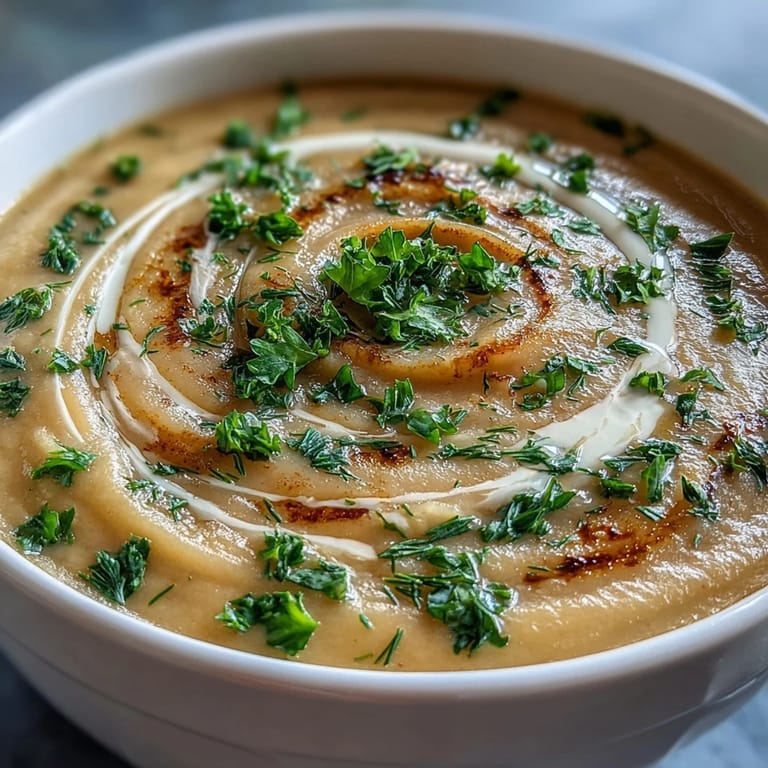
- Double cream or crème fraîche (100ml, optional): A swirl at the end adds richness, but the soup is magnificent without it if you're avoiding dairy.
- Fresh herbs (parsley, chives, dill, tarragon as desired): The finale that transforms a good soup into something memorable; fresh herbs are non-negotiable here.
Tired of Takeout? 🥡
Get 10 meals you can make faster than delivery arrives. Seriously.
One email. No spam. Unsubscribe anytime.
Instructions
- Prepare and roast the parsnips:
- Heat your oven to 200°C and toss those parsnip chunks with a tablespoon of olive oil and a pinch of salt on a baking tray. The key is turning them halfway through the 25 to 30 minutes so they caramelize evenly on all sides until they're golden and tender enough to break with a wooden spoon.
- Build your base while the oven works:
- In a large saucepan over medium heat, warm the remaining tablespoon of oil and sauté your diced onion, minced garlic, sliced celery, and diced potato for 5 to 7 minutes until they've softened but haven't taken on any color. You're creating an aromatic foundation here, not browning anything.
- Bring everything together:
- Once the parsnips are roasted, add them to the saucepan along with your vegetable stock, bring the whole thing to a boil, then reduce the heat and let it simmer gently for 10 to 15 minutes. All the vegetables should be so soft they practically melt when you press them with the back of a spoon.
- Blend into silky smoothness:
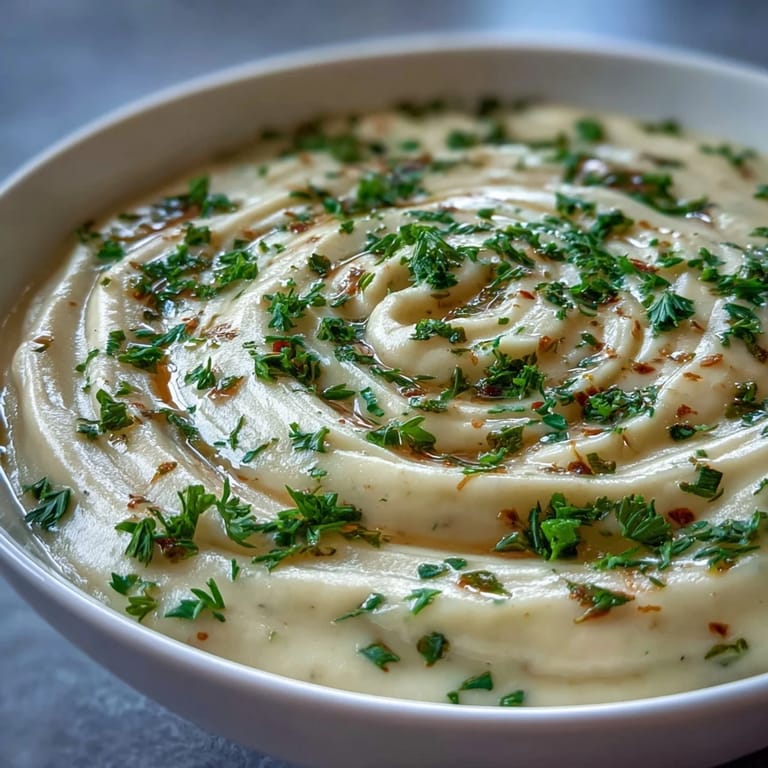
- Remove the pan from heat and either use a stick blender right there in the pot or work in batches with a countertop blender if you prefer. The goal is a soup with the consistency of velvet; take your time with this step.
- Finish with cream and seasoning:
- Stir in the cream if using, then taste carefully and adjust your salt and pepper until the flavors feel balanced and bright. Reheat gently if needed before serving.
- Serve with fresh herbs as the final touch:
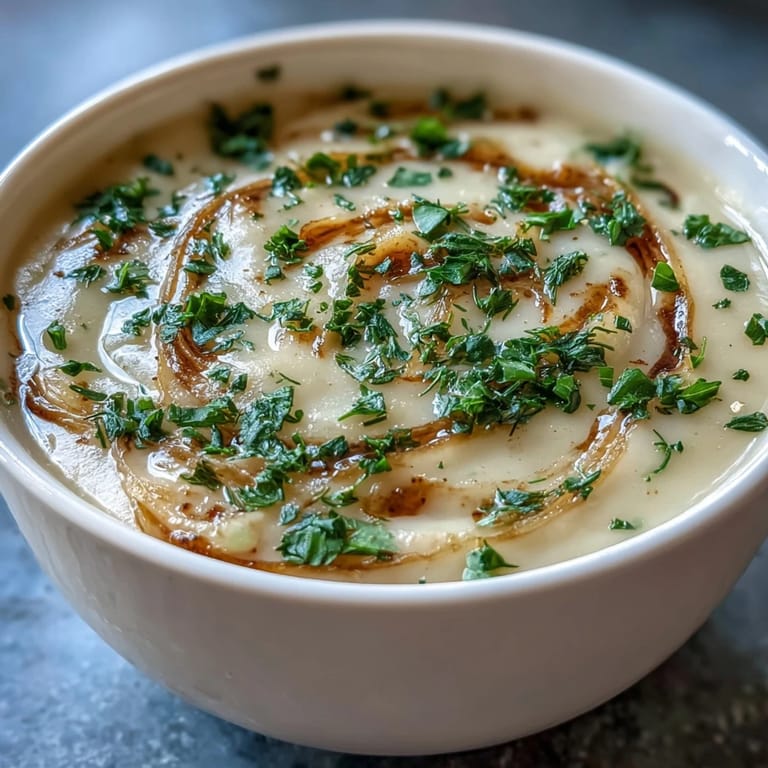
- Ladle the soup into bowls and shower each one with a generous handful of chopped fresh herbs. This isn't just decoration; the herbs are essential to the whole experience.
 Save to Pinterest
 On a particularly cold evening, I made this soup for a friend who was going through something difficult, something that couldn't be fixed with words. We sat in my kitchen with steaming bowls, and she didn't need to talk much; the soup did something that conversation couldn't quite manage. It reminded me that the simplest recipes often carry the most weight.
The Magic of Roasting Root Vegetables
Roasting concentrates sugars and creates caramelization that you simply cannot achieve by boiling vegetables straight into stock. The dry heat of the oven transforms parsnips from pleasant into revelatory. I used to make this soup without roasting, and it was fine, perfectly adequate even, until a chef friend suggested trying it roasted and everything changed. Now I roast all my root vegetables before turning them into soup; it's become my kitchen doctrine.
Cream and Dairy Alternatives
The cream is there to add luxury, but this soup is genuinely excellent without it. I've made it with coconut milk, oat cream, cashew cream, and even just left it out entirely, and each version has its own charm. The vegetables themselves are creamy enough when blended properly that cream becomes optional rather than essential. Choose whatever feels right for your kitchen and dietary needs.
Herbs, Variations, and Personal Touches
Fresh herbs are where you make this recipe your own. While I've suggested parsley, chives, dill, and tarragon, don't feel locked in by those choices. I've added basil when that's what I had, or cilantro on days when I wanted something completely different. A squeeze of fresh lemon juice just before serving adds brightness that makes people pause and ask what you did. The best version of this soup is the one you'll actually make, with whatever herbs live in your garden or come home in your shopping bag.
- A tiny drizzle of good olive oil on top adds visual appeal and extra richness.
- Toasted seeds or crusty bread on the side transform it from soup into a proper meal.
- Make it ahead and reheat gently; it actually tastes better the next day as flavors deepen and meld.
 Save to Pinterest
 This soup has become my go-to recipe for showing people that simple ingredients, treated with care and respect, become something nourishing. Make it when you need comfort, when you want to impress someone, or when you're simply tired and want something good and warming in a bowl.
Recipe Q&A
- → Can I make this soup ahead of time?
Yes, this soup keeps beautifully for up to 3 days in the refrigerator. The flavors actually develop and improve overnight. Reheat gently over low heat, adding a splash of water or stock if needed to adjust consistency.
- → What herbs work best in this soup?
Fresh parsley and chives provide the classic combination, while dill and tarragon add subtle anise notes. Feel free to use whatever fresh herbs you have on hand—thyme, rosemary, or even a touch of sage work wonderfully.
- → Can I freeze this soup?
Absolutely. Cool completely before transferring to airtight containers or freezer bags. Freeze for up to 3 months. Thaw overnight in the refrigerator and reheat gently. Note that if you've added cream, the texture may change slightly—simply whisk while reheating.
- → Why roast the parsnips first?
Roasting caramelizes the natural sugars in parsnips, creating deeper flavor and sweetness that boiling alone can't achieve. This extra step transforms an ordinary soup into something special with rich, nutty undertones.
- → How can I make this soup vegan?
Simply omit the dairy cream or replace it with coconut cream, cashew cream, or your favorite plant-based alternative. The soup will still be velvety and delicious—roasted vegetables provide plenty of body and richness on their own.
- → What can I serve with this soup?
Crusty bread, toasted seeds, or croutons add welcome texture. A light green salad with acidic dressing balances the creamy richness. For a more substantial meal, pair with a grilled cheese sandwich or savory tart.