 Save to Pinterest
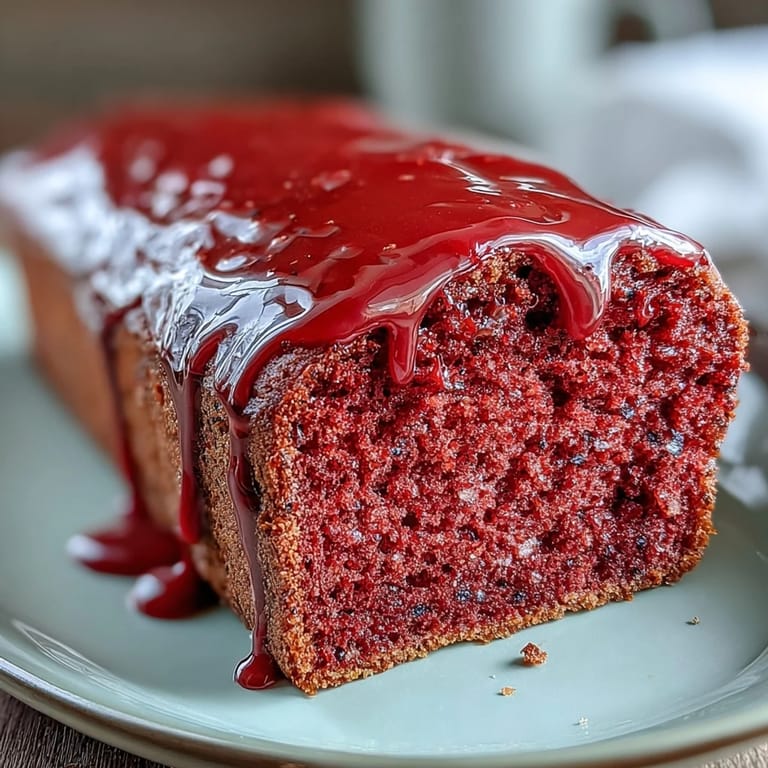
 The kitchen smelled like winter citrus and almonds the morning I finally cracked open a bag of blood oranges I'd been hoarding. I wasn't sure what I wanted to make, but when I spotted the half-block of marzipan tucked behind the flour, something clicked. I grated it into the batter on a whim, and the house filled with this warm, floral sweetness that made me forget it was barely 9 a.m. That loaf came out with a ruby-streaked crumb and a flavor I couldn't stop thinking about for weeks.
I brought this to a friend's brunch once, still warm and barely glazed. Someone sliced into it before I could even set it down, and within ten minutes the whole loaf was gone. My friend texted me that night asking for the recipe, and I realized I'd never written it down—I'd just followed my nose and the color of the batter. Now I make it every time blood oranges show up at the market, and it's become my unofficial winter signature.
Ingredients
- All-purpose flour: The structure of the loaf, sifted with baking powder to keep it light and tender without turning cakey.
- Baking powder: Gives the crumb a soft rise; make sure it's fresh or the loaf will turn dense.
- Salt: Just a pinch to balance the sweetness and bring out the citrus.
- Poppy seeds: They add a gentle crunch and a faintly nutty flavor that plays beautifully with the orange.
- Unsalted butter: Softened to room temperature so it creams properly with the sugar and zest.
- Granulated sugar: Sweetens the cake and helps create that fluffy, airy base when beaten with the butter.
- Blood orange zest: This is where the magic lives, packed with fragrant oils that perfume the entire batter.
- Large eggs: They bind everything together and add richness; bring them to room temperature for smoother mixing.
- Marzipan: Grated in for bursts of almond sweetness that melt into the crumb and make the texture impossibly moist.
- Blood orange juice: Freshly squeezed for that tart, ruby-red brightness you can't fake with regular oranges.
- Whole milk: Adds moisture and helps the batter come together without being too heavy.
- Vanilla extract: A warm undertone that ties the citrus and almond together.
- Powdered sugar: For the glaze, whisked smooth with more blood orange juice for a glossy, tangy finish.
Tired of Takeout? 🥡
Get 10 meals you can make faster than delivery arrives. Seriously.
One email. No spam. Unsubscribe anytime.
Instructions
- Prep the pan and oven:
- Preheat your oven to 175°C (350°F) and line a 9x5-inch loaf pan with parchment paper, leaving some overhang for easy lifting. Grease it lightly so nothing sticks.
- Mix the dry ingredients:
- Whisk together the flour, baking powder, salt, and poppy seeds in a medium bowl. Set it aside while you work on the batter.
- Cream the butter and sugar:
- Beat the softened butter, sugar, and blood orange zest in a large bowl until it's pale, fluffy, and fragrant—about 3 minutes. The zest will release its oils into the butter and perfume everything.
- Add the eggs:
- Crack in the eggs one at a time, beating well after each addition until the mixture is smooth and glossy.
- Fold in the marzipan:
- Grate the marzipan using the coarse side of a box grater, then fold it gently into the batter until it's evenly distributed. You'll see little flecks of almond paste throughout.
- Combine the wet ingredients:
- In a separate bowl, whisk together the blood orange juice, milk, and vanilla extract until combined.
- Bring it all together:
- Add the dry ingredients to the butter mixture in three additions, alternating with the blood orange mixture, starting and ending with the dry. Mix gently until just combined—overmixing will make the loaf tough.
- Bake the loaf:
- Pour the batter into your prepared pan, smooth the top, and bake for 45 to 55 minutes. A toothpick inserted into the center should come out clean, and the top should be golden and slightly cracked.
- Cool and glaze:
- Let the loaf cool in the pan for 10 minutes, then lift it out onto a wire rack. Once it's completely cool, whisk the powdered sugar with blood orange juice until smooth and drizzle it over the top.
 Save to Pinterest
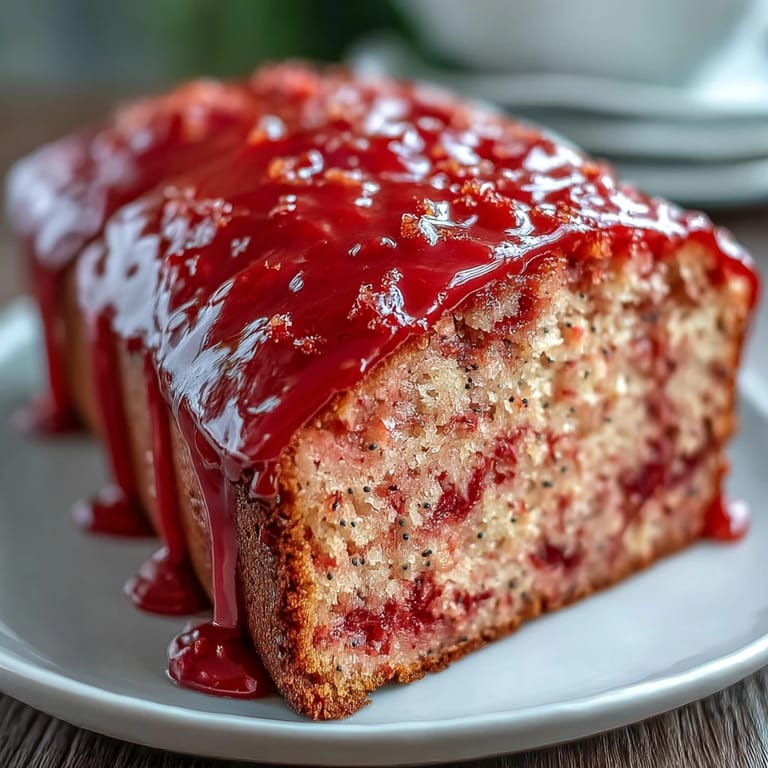
 There's a moment when you slice into this loaf and see the ruby-stained crumb dotted with tiny black seeds, and it feels like you've made something worth sharing. I've served this at book club, packed it for picnics, and left a slice on a neighbor's porch just because. It's the kind of cake that doesn't need an occasion, but somehow makes one out of an ordinary afternoon.
Choosing Your Blood Oranges
Look for blood oranges that feel heavy for their size and have thin, smooth skin. The deeper the color inside, the more striking your loaf will be, though even pale varieties will taste beautifully tart and floral. I like to buy a few extra and juice them all at once, then freeze any leftover juice in ice cube trays for spontaneous baking.
Storing and Serving
This loaf keeps beautifully at room temperature in an airtight container for up to three days, and honestly tastes even better on day two when the flavors have settled. If you want to make it ahead, wrap it tightly in plastic wrap before glazing and freeze it for up to a month. Thaw it on the counter, glaze it fresh, and no one will know it wasn't baked that morning.
Ways to Make It Your Own
I've added a splash of orange liqueur to the glaze for dinner parties, swapped the marzipan for almond paste when I wanted a deeper almond flavor, and even folded in white chocolate chips for my niece who likes everything a little sweeter. You can also top it with candied blood orange slices for a showstopper finish, or leave the glaze off entirely and dust it with powdered sugar for a simpler look.
- Try a tablespoon of orange liqueur in the glaze for a grown-up twist.
- Fold in white chocolate chips or slivered almonds for extra texture.
- Top with candied blood orange slices if you're feeling fancy.
 Save to Pinterest
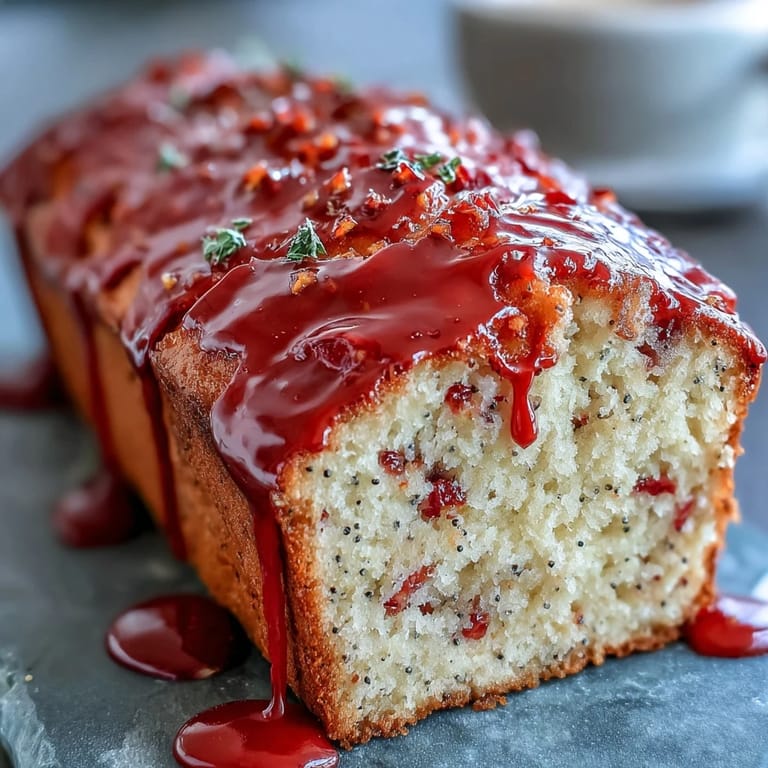
 This loaf has a way of turning a regular Tuesday into something a little brighter, especially when the light hits that glaze just right. I hope it finds a place in your kitchen the way it has in mine.
Recipe Q&A
- → Can I use regular oranges instead of blood oranges?
Yes, you can substitute regular oranges, though you'll lose the distinctive ruby color and slightly more complex flavor profile. The cake will still be delicious and fragrant.
- → How do I know when the loaf is fully baked?
Insert a toothpick into the center of the loaf. If it comes out clean or with just a few moist crumbs, the cake is done. The top should be golden and spring back when lightly touched.
- → What's the difference between marzipan and almond paste?
Marzipan contains more sugar and has a smoother, sweeter texture, while almond paste has a higher almond content and deeper flavor. Either works well in this loaf, depending on your preference.
- → How should I store the loaf cake?
Store in an airtight container at room temperature for 2-3 days. For longer storage, wrap tightly and refrigerate for up to 5 days, or freeze for up to 3 months.
- → Can I make this cake dairy-free?
Yes, substitute the butter with vegan margarine or coconut oil, and use plant-based milk instead of whole milk. Ensure your marzipan is also dairy-free.
- → Why is my loaf cake dry?
Overbaking is the most common cause. Check the cake at 45 minutes and avoid overmixing the batter, which can develop too much gluten and result in a dense, dry texture.